Five Mobility Aids Lessons From Professionals
Understanding Mobility Aids: Enhancing Independence and Quality of Life
As society continues to age and individuals significantly seek ways to preserve independence, the need for mobility aids has never been more important. Mobility aids, which encompass a variety of devices designed to assist people with walking or walking around, play a crucial role in promoting mobility, enhancing security, and enhancing total quality of life. This post will check out the different kinds of mobility aids, their advantages, factors to consider for selection, and address some frequently asked questions.
Kinds Of Mobility Aids
Various mobility aids are available, each designed to resolve particular needs. The following table sums up some of the most typical types of mobility aids and their functions.
Kind Of Mobility Aid
Description
Best Suited For
Key Features
Canes
A handheld stick offering support and balance.
People who need very little assistance.
Light-weight, portable, adjustable height.
Walkers
Four-legged frames supplying stability.
Those requiring substantial assistance while strolling.
Foldable, some with wheels, included security functions.
Rollators
Wheeled walkers with a seat for resting.
People requiring mobility with the alternative to rest.
Brakes, baskets for individual products, adjustable height.
Wheelchairs
Chairs with wheels for individuals with limited mobility.
Those unable to walk or needing comprehensive support.
Handbook or powered choices, customizable seating.
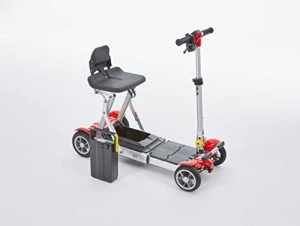
Scooters
Motorized devices for bigger distances.
Individuals with restricted endurance however needing self-reliance.
Various sizes and styles, frequently portable.
Crutches
Support devices placed under the arms or forearms.
Individuals recuperating from lower limb injuries.
Adjustable, lightweight, needs upper body strength.
Stairlifts
Mechanical devices for moving in between floorings.
Users facing difficulties in multi-level homes.
Customizable for various staircases, automated.
Benefits of Mobility Aids
Mobility aids provide a variety of benefits that can substantially improve the lives of individuals facing mobility obstacles. Some noteworthy benefits consist of:
Increased Independence: Mobility aids empower people to move freely without counting on others for support, consequently improving their self-confidence and self-esteem.
Enhanced Safety: Using mobility aids can lower the threat of falls and injuries, specifically for older adults or those with balance issues.
Improved Quality of Life: By helping with mobility, individuals can take part in social activities, attend occasions, and enjoy life more completely, adding to much better psychological and psychological health.
Rehabilitation Support: After surgical treatment or injury, mobility aids supply needed support and stability, assisting in recovery and rehabilitation procedures.
Accessibility: Many mobility aids are developed to be utilized both inside and outdoors, ensuring that people can navigate different environments with ease.
Elements to Consider When Choosing Mobility Aids
Selecting the appropriate mobility aid requires careful factor to consider of numerous aspects, consisting of:
Factor
Factors to consider
User's Needs
Examine the level of mobility needed; think about whether the user requires short-lived or long-term assistance.
Physical Limitations
Examine the user's strength, balance, and coordination to determine the best type of help.
Setting
Think about the main environments where the aid will be used, such as home, outdoors, or particular surfaces.
Weight and Portability
Guarantee that the picked device is workable concerning mobility and storage, specifically for outside use.
Spending plan
Mobility aids been available in a variety of costs; think about insurance coverage and offered financing choices.
Adjustability
Pick aids that can be changed for height and comfort to accommodate development or changing needs.
Frequently Asked Questions About Mobility Aids
1. How do I understand if I need a mobility aid?
Many factors can signify the need for a mobility aid, such as problem strolling or stabilizing, tiredness while standing, or a current surgery affecting mobility. Consulting with a healthcare expert can supply guidance tailored to private needs.
2. What types of mobility aids are covered by insurance?
Protection varies between insurance providers, however most supply alternatives for resilient medical equipment, which typically consists of wheelchairs, walkers, and some kinds of canes. Contact your insurance coverage supplier for specific coverage details.
3. Can mobility aids be utilized outdoors?
Yes, numerous modern-day mobility aids are created for outside use. Rollators, scooters, and some walkers are equipped with functions for stability and ease of use on various terrain.
4. How do I keep my mobility help?
Routine upkeep involves looking for any wear and tear, making sure that parts such as wheels, brakes, and frames are operating properly, and cleaning up the devices as needed. Following the maker's guidelines is vital for safety.
5. Exists a danger of ending up being dependent on mobility aids?
While some users may end up being reliant on mobility aids, they are designed to promote independence and mobility. Slowly using Related Web Page can boost self-confidence and assistance keep physical strength and coordination.
Mobility aids are invaluable tools that empower individuals to overcome physical challenges, promoting self-reliance and enhancing quality of life. By comprehending the numerous kinds of mobility aids readily available, their benefits, and essential factors for factor to consider, households and caretakers can make informed decisions that best fulfill the needs of their liked ones. With the ideal support, those with mobility difficulties can lead satisfying and active lives, free to check out the world around them.